The problem
The rapid expansion of peri-urban areas across Europe is creating some of the most complex challenges for sustainable mobility and urban governance. These transitional zones are characterised by high car dependency, fragmented public transport, weak first/last-mile connections, and limited integration with cycling, shared, and micro-mobility services. As a result, peri-urban areas record higher congestion levels, longer travel times, and transport-related greenhouse gas emissions exceeding urban averages by up to 20%.
At the same time, inefficient and high-emission logistics systems, particularly in last-mile delivery, generate congestion, excessive fuel consumption, and large amounts of packaging waste. Governance structures remain fragmented across jurisdictions, preventing coordinated planning and data-driven policymaking, while safety risks for vulnerable road users (VRUs) are significantly higher due to poor infrastructure and lack of predictive safety tools.
These challenges are further amplified by data silos, limited interoperability with European mobility data frameworks, inadequate land-use adaptability, and low citizen engagement, which reduces the effectiveness and acceptance of sustainable mobility policies.
Our approach
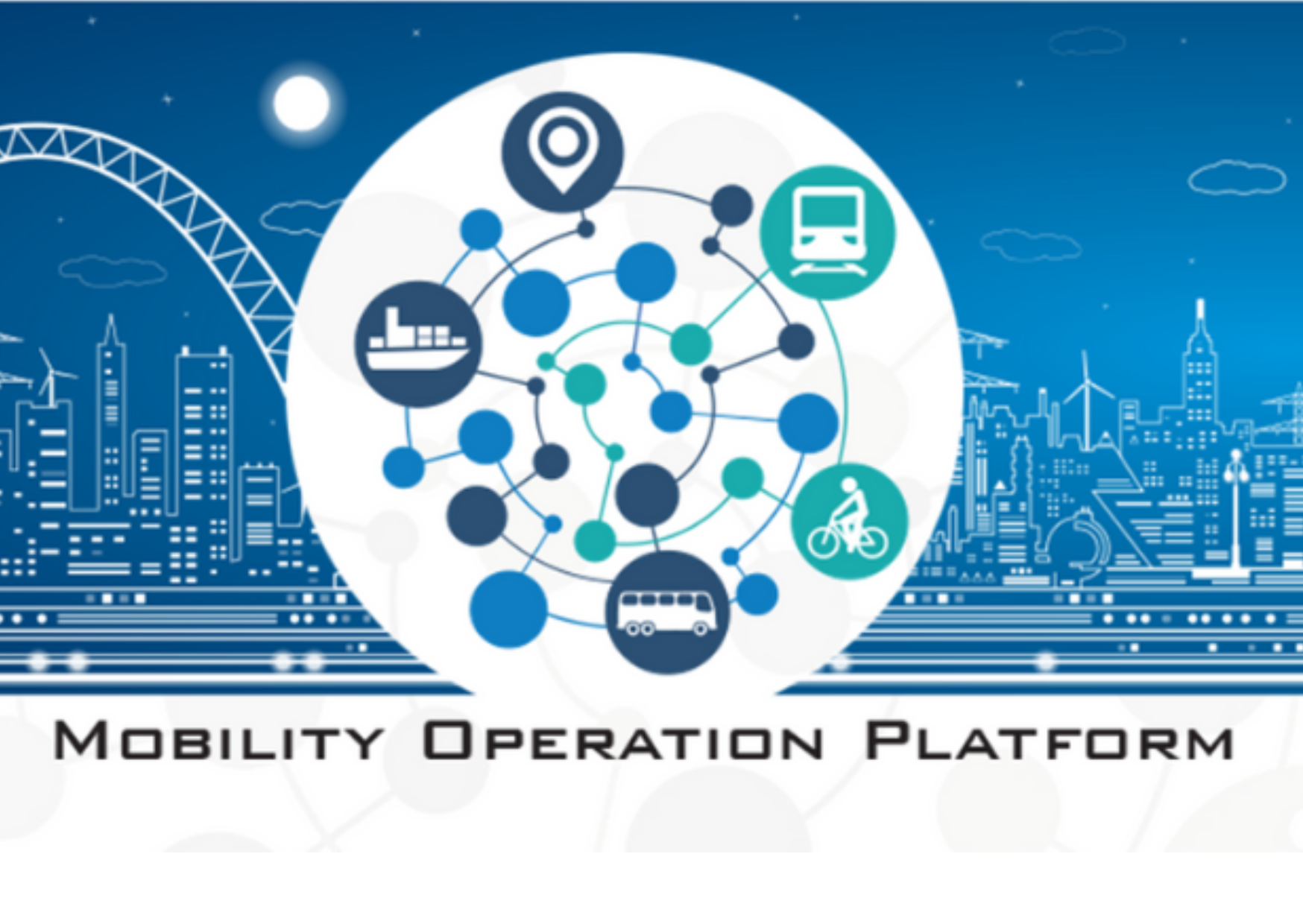
BIO-INTEL-MOB addresses these challenges through an integrated, AI-driven, and citizen-centric approach to peri-urban mobility, logistics, and governance. The project develops a next-generation mobility ecosystem based on advanced digital tools such as Mobility Data Spaces (aMDS), Digital Twins, AI-powered analytics, and Green Smart Routing Algorithms, enabling real-time optimisation of traffic flows, emissions, safety, and accessibility.
These technologies support the deployment of Peri-Urban Mobility Hubs (PUMHs), green and safe routing for vulnerable road users, and innovative circular logistics solutions, including micro-hubs, cargo bikes, and bio-packaging (bioPLU). Beyond technology, BIO-INTEL-MOB strengthens participatory governance through a Smart City Governance (SCGo) framework, citizen engagement apps, and VR/AR co-design environments, ensuring alignment with EU climate and digital policies. The solutions are tested and validated across diverse European contexts through four main pilot cities and multiple satellite sites, creating scalable and replicable models for climate-neutral, safe, and inclusive peri-urban mobility.
The project works to:
– Improve multimodal mobility and accessibility
– Enhance safety and inclusiveness for all users
– Reduce emissions through intelligent routing and green logistics
– Empower cities with data-driven, citizen-focused decision-making.
Partners
Sapienza Università di Roma, CTLup, Roma Capitale, Roma Servizi per la Mobilità, Isfort, Città metropolitana di Roma Capitale, Comune di Ciampino, Gruppo Logistico LDI, ILP Consulting Srl, LNEC, Câmara Municipal de Cascais, Transport and Telecommunication Institute (TSI), Riga Planning Region, Vilniaus Rajono Savivaldybė, Mykolas Romeris University, Regionalmanagement Nordhessen GmbH, Universität Kassel, B. Braun Group, Magistrat der Stadt Melsungen, Centre for Research & Technology Hellas (CERTH), Rhodes Municipality, Ege Üniversitesi, Urla Belediyesi, National Transport University, Ministry for Communities, Territories and Infrastructure Development of Ukraine, ECTRI, POLIS Network, International Road Federation (IRF), Centrum Dopravního Výzkumu, University of Rijeka, Faculty of Maritime Studies, Vrije Universiteit Brussel, University of Twente